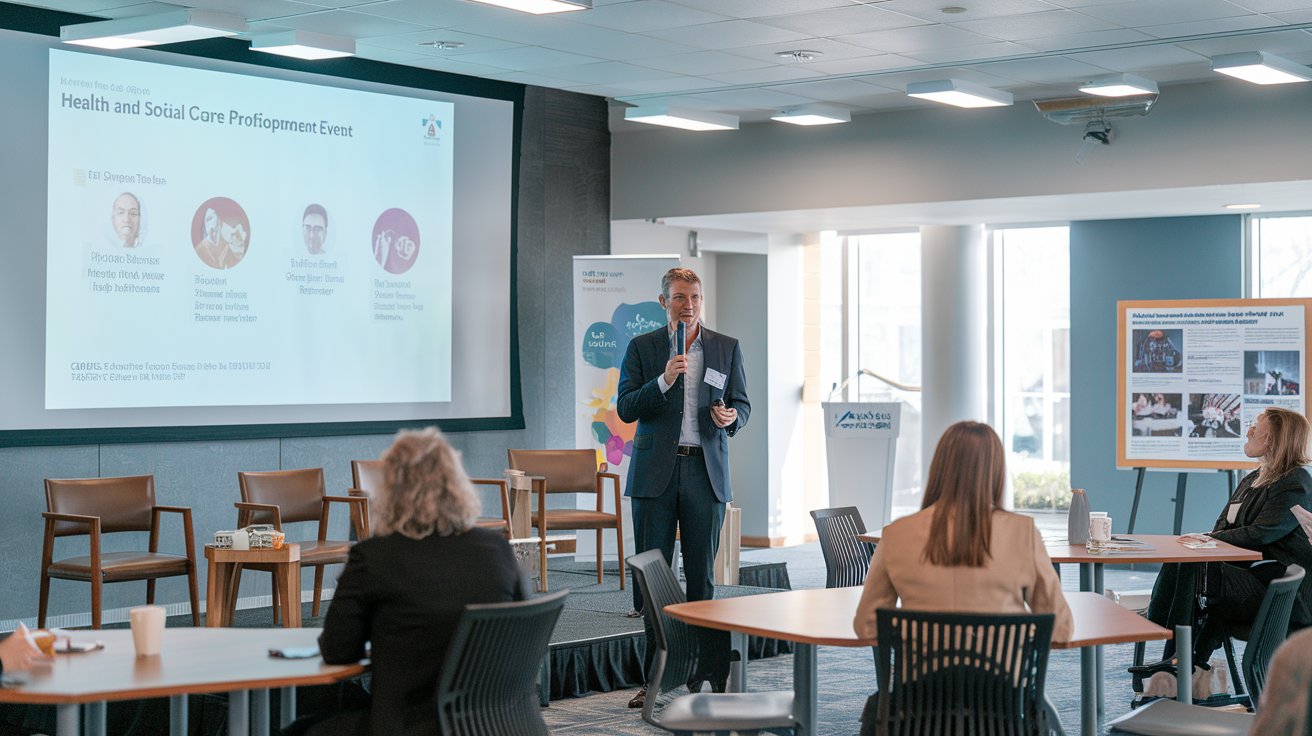
Professional development in healthcare is essential for maintaining competency, improving patient outcomes, and advancing careers in an ever-evolving medical landscape. As healthcare technology, treatments, and regulations continuously change, healthcare professionals must engage in ongoing education to provide the highest quality care and remain current with industry standards.
Enhanced Patient Safety and Quality of Care
Professional development directly impacts patient safety by ensuring healthcare workers maintain current knowledge of best practices, new treatments, and safety protocols. According to the Institute for Healthcare Improvement, hospitals with robust continuing education programs experience 23% fewer medical errors and improved patient satisfaction scores. Healthcare professionals who participate in regular training demonstrate better clinical decision-making skills and adherence to evidence-based practices.
The quality of healthcare services significantly improves when staff members engage in continuous learning. Updated knowledge about medications, procedures, and patient care techniques allows healthcare workers to deliver more effective treatments. Research from the Joint Commission shows that facilities with comprehensive professional development programs achieve higher accreditation scores and better patient outcome metrics compared to those with minimal training requirements.
Keeping Up with Medical Advances and Technology
Medical technology advances at an unprecedented pace, making continuous education vital for healthcare professionals. Electronic health records, telemedicine platforms, artificial intelligence diagnostic tools, and robotic surgery systems require ongoing training to ensure proper utilization. The American Medical Association reports that healthcare professionals who regularly update their technical skills are 40% more likely to adopt new technologies successfully and improve patient care efficiency.
New treatment protocols and medications are constantly being developed and approved by the FDA. Healthcare workers must stay informed about the latest pharmaceutical developments, clinical guidelines, and therapeutic interventions to provide optimal patient care. Professional development ensures practitioners can evaluate and implement new treatments safely while understanding potential interactions and contraindications that could affect patient outcomes.
Career Advancement and Professional Growth
Career advancement in healthcare requires continuous skill development and knowledge expansion. Healthcare professionals who invest in ongoing education are more likely to receive promotions, salary increases, and leadership opportunities. The Bureau of Labor Statistics indicates that healthcare workers with advanced certifications earn an average of 15-25% more than their counterparts without additional credentials.
Specialized professional certifications and training open doors to new career paths and increased responsibility. Nurses can advance to nurse practitioner roles, technicians can specialize in cutting-edge equipment, and administrators can develop expertise in healthcare informatics or quality improvement. These advancement opportunities not only benefit individual careers but also strengthen the overall healthcare workforce by developing skilled leaders and specialists.
Maintaining Licensure and Regulatory Compliance
Professional licensure requirements mandate continuing education for most healthcare professions. State licensing boards require physicians, nurses, pharmacists, and other healthcare professionals to complete specific hours of continuing education to maintain their licenses. These requirements ensure that practitioners stay current with evolving standards and maintain competency throughout their careers.
Regulatory compliance in healthcare involves adhering to federal, state, and institutional guidelines that frequently change. OSHA safety standards, HIPAA privacy regulations, and CMS quality measures require ongoing training to ensure compliance. Professional development programs help healthcare organizations avoid costly violations and maintain accreditation status while protecting patient rights and safety.
Building Confidence and Job Satisfaction
Professional confidence increases when healthcare workers feel competent and well-prepared to handle complex medical situations. Continuous learning reduces anxiety about unfamiliar procedures or technologies and empowers professionals to make informed decisions. Studies show that healthcare workers who participate in regular training report 30% higher job satisfaction and increased confidence in their clinical abilities.
Job satisfaction in healthcare correlates strongly with opportunities for professional growth and development. When healthcare organizations invest in employee education, workers feel valued and supported, leading to improved retention rates and better workplace morale. The American Nurses Association reports that hospitals with comprehensive professional development programs experience 25% lower turnover rates and higher employee engagement scores.
Types of Professional Development in Healthcare
Formal Education and Degree Programs
Formal education programs provide structured learning opportunities for healthcare professionals seeking advanced degrees or specialized knowledge. Master’s programs in nursing, healthcare administration, and public health offer comprehensive curricula that prepare professionals for leadership roles. According to the Association of American Medical Colleges, healthcare professionals with advanced degrees contribute significantly to improved organizational outcomes and innovation in patient care delivery.
Professional Certifications and Specializations
Professional certifications validate expertise in specific healthcare areas and demonstrate commitment to excellence. Specialty certifications in critical care, emergency medicine, oncology, and other fields require rigorous study and examination. The National Association of Healthcare Access Management reports that certified professionals provide higher quality services and contribute to better patient experiences compared to non-certified counterparts.
Conferences, Workshops, and Seminars
Healthcare conferences and workshops provide opportunities to learn about cutting-edge research, network with peers, and gain exposure to new technologies and treatments. These events offer concentrated learning experiences and allow professionals to earn continuing education credits while staying informed about industry trends. The American Hospital Association emphasizes that conference attendance correlates with improved clinical practices and professional networking opportunities.
Organizational Benefits of Professional Development
Healthcare organizations benefit significantly from investing in employee professional development through improved patient outcomes, reduced liability, and enhanced reputation. Facilities with comprehensive training programs report lower malpractice claims, higher patient satisfaction scores, and better financial performance. The Advisory Board Company found that hospitals investing in professional development achieve 18% better financial margins compared to those with minimal training programs.
Staff retention and recruitment improve when healthcare organizations prioritize professional development. Top-quality candidates are attracted to employers who offer growth opportunities and career advancement support. Additionally, existing employees are more likely to remain with organizations that invest in their professional growth, reducing costly turnover and maintaining institutional knowledge and expertise.
Challenges and Solutions in Healthcare Professional Development
Time constraints and staffing challenges represent significant barriers to professional development in healthcare settings. Many healthcare professionals work long hours and have demanding schedules that make it difficult to participate in training programs. However, innovative solutions such as online learning modules, microlearning sessions, and flexible scheduling can help overcome these obstacles while ensuring continuous skill development.
Financial considerations often limit professional development opportunities for both individuals and organizations. However, the return on investment in professional development far outweighs the initial costs through improved patient outcomes, reduced errors, and enhanced organizational performance. Grant funding, employer tuition assistance programs, and professional association scholarships can help make development opportunities more accessible to healthcare workers.
Related video about why is professional development important in healthcare
This video complements the article information with a practical visual demonstration.
Essential Q&A about why is professional development important in healthcare
How much continuing education do healthcare professionals need annually?
Requirements vary by profession and state, but most healthcare professionals need 20-50 hours of continuing education annually. Physicians typically require 25-50 hours, nurses need 20-30 hours, and pharmacists usually need 15-30 hours per year to maintain licensure and certifications.
What are the most effective types of professional development for healthcare workers?
The most effective professional development combines multiple approaches including formal education, hands-on training, simulation exercises, and peer collaboration. Online learning platforms, clinical rotations, mentorship programs, and specialty certifications provide comprehensive skill development that translates directly to improved patient care.
How does professional development impact healthcare worker salaries?
Healthcare professionals who pursue continuing education and certifications typically earn 15-30% more than those without additional credentials. Specialized certifications, advanced degrees, and leadership training significantly increase earning potential and career advancement opportunities in the healthcare industry.
Can professional development help prevent medical errors?
Yes, studies show that comprehensive professional development programs reduce medical errors by 20-35%. Regular training on safety protocols, new procedures, medication management, and communication skills helps healthcare workers stay current with best practices and make better clinical decisions that improve patient safety.
What role does technology play in healthcare professional development?
Technology revolutionizes healthcare professional development through online learning platforms, virtual reality simulations, mobile apps, and digital certification programs. These tools make training more accessible, interactive, and personalized while allowing healthcare workers to learn at their own pace and schedule.
How do healthcare organizations measure the success of professional development programs?
Healthcare organizations measure professional development success through patient outcome metrics, employee satisfaction surveys, retention rates, certification achievement, safety incident reports, and quality improvement indicators. Successful programs demonstrate measurable improvements in these areas within 6-12 months of implementation.
| Professional Development Aspect | Key Impact | Measurable Benefit |
|---|---|---|
| Patient Safety Training | Reduced Medical Errors | 23% Fewer Incidents |
| Technology Skills | Improved Care Efficiency | 40% Better Adoption |
| Advanced Certifications | Career Advancement | 15-25% Salary Increase |
| Continuing Education | License Maintenance | 100% Compliance |
| Skill Development | Job Satisfaction | 30% Higher Confidence |