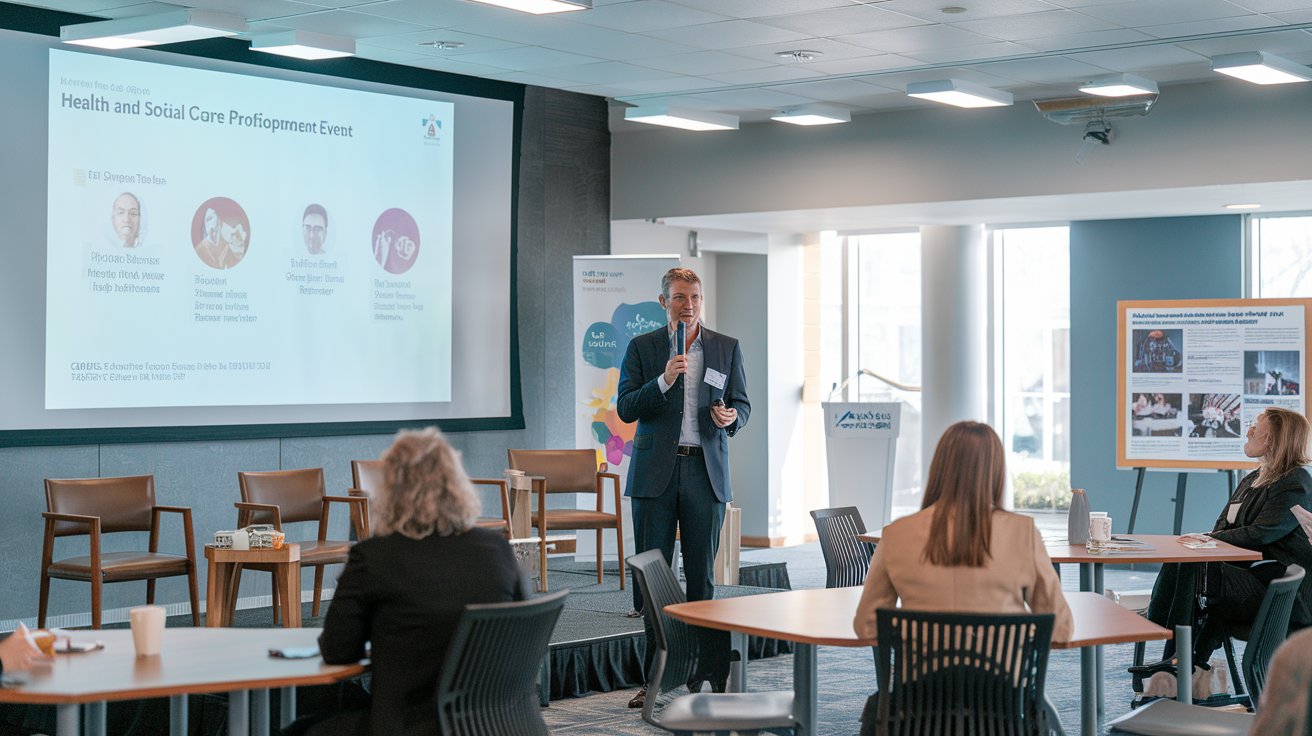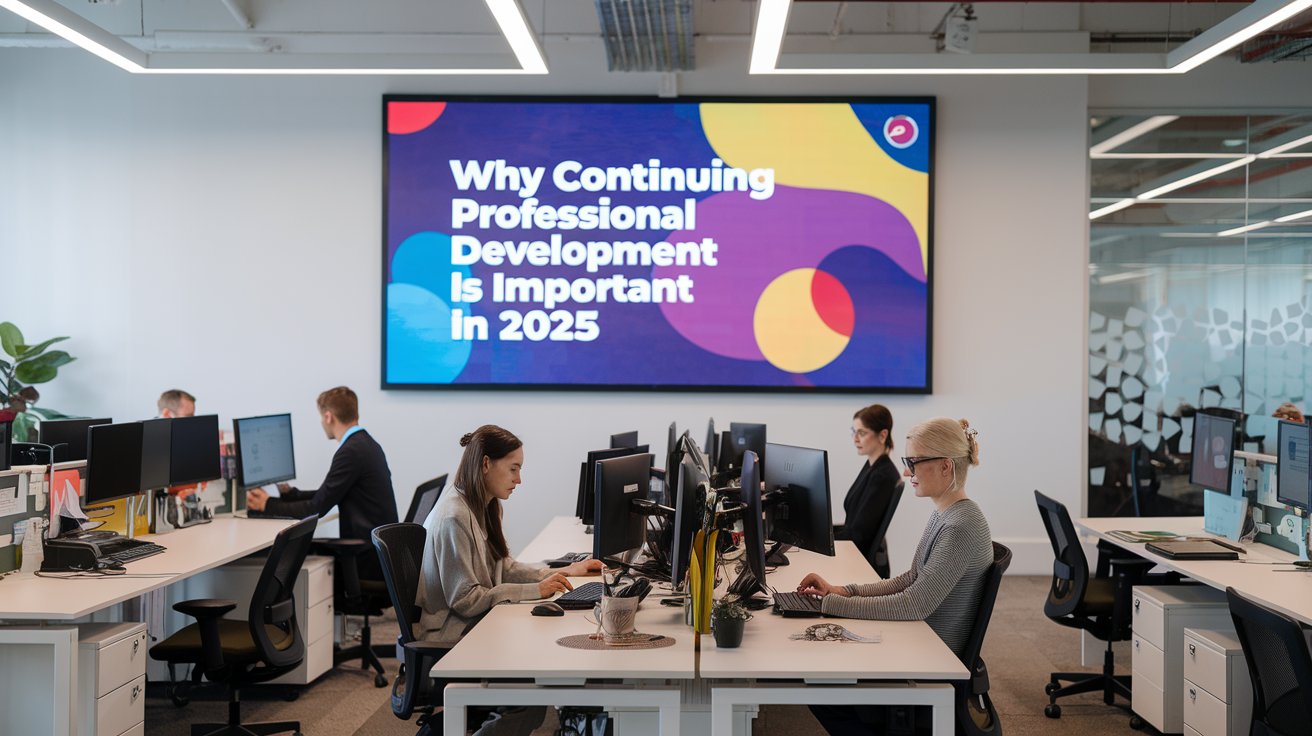
Continuing professional development has become more critical than ever in 2025, with professional development directly impacting career advancement, salary growth, and job security. As workplace demands evolve rapidly, professionals who invest in continuous learning position themselves for success while those who don’t risk falling behind in an increasingly competitive market.
Career Advancement Through Professional Development
Research from the Society for Human Resource Management shows that employees who engage in continuing professional development are 67% more likely to receive promotions within two years. This statistic highlights how professional growth directly correlates with career progression. Companies increasingly value employees who demonstrate commitment to learning and skill enhancement.
The modern workplace rewards adaptability and continuous improvement. Professionals who pursue ongoing education and skill development create more opportunities for advancement. They become valuable assets to their organizations, often leading to increased responsibilities, leadership roles, and higher compensation packages.
Leadership Development Opportunities
Leadership skills development through professional development programs prepares employees for management roles. Companies spend over $366 billion annually on leadership training, recognizing that effective leaders drive organizational success. Professionals who invest in leadership development often fast-track their career progression.
Industry Recognition and Credibility
Continuing professional certifications and education enhance credibility within industries. Certified professionals earn an average of 15-25% more than their non-certified counterparts. This recognition opens doors to consulting opportunities, speaking engagements, and industry leadership positions.
Financial Benefits of Professional Development
The financial return on investment for professional development is substantial. According to recent salary surveys, professionals who complete additional certifications or training programs see an average salary increase of 20-30% within 12 months. This immediate financial impact makes continuing education one of the most effective wealth-building strategies.
Beyond immediate salary increases, professional development creates long-term earning potential. Professionals with updated skills command higher market rates and have more negotiating power during salary discussions. The cumulative effect over a career can result in hundreds of thousands of dollars in additional earnings.
Return on Investment Calculations
The average professional development program costs between $1,000-$5,000 but generates returns exceeding 300% within two years. This calculation includes salary increases, promotion opportunities, and enhanced job security. Smart professionals view education expenses as high-yield investments rather than costs.
Market Value Enhancement
Professionals with current skills and continuing education maintain higher market value throughout economic fluctuations. During layoffs and restructuring, companies typically retain employees with the most valuable and updated skill sets. This job security translates to sustained earning potential.
Staying Relevant in Rapidly Changing Industries
Technology and industry practices evolve at unprecedented speeds, making continuous professional development essential for relevance. The World Economic Forum projects that 50% of all employees will need reskilling by 2025 due to technological advancement. Professionals who proactively update their skills avoid obsolescence.
Industries like healthcare, technology, finance, and marketing experience constant transformation. Professional development ensures practitioners stay current with best practices, regulations, and technological advances. This relevance maintains competitiveness and prevents skill decay that could derail careers.
Enhanced Job Security and Employability
Job security in 2025 depends more on skill adaptability than company loyalty. Professionals who demonstrate commitment to continuing education position themselves as valuable assets during organizational changes. They become the employees companies fight to retain during difficult periods.
Employability extends beyond current positions to future opportunities. Professionals with updated skills and continuous learning habits attract recruiters and have multiple career options. This flexibility provides security and leverage in career decisions, reducing dependence on single employers.
Recession-Proof Skills Development
Economic downturns affect industries differently, but professionals with diverse skills and ongoing professional development maintain employability across sectors. They can pivot to growing industries or adapt existing skills to new applications, providing recession-resistant career stability.
Network Expansion Benefits
Professional development programs create networking opportunities with industry leaders and peers. These connections often lead to job opportunities, partnerships, and mentorship relationships. A strong professional network significantly enhances job security and career advancement prospects.
Personal Satisfaction and Confidence Building
Beyond financial and career benefits, continuing professional development provides personal fulfillment and confidence. Learning new skills and achieving certifications creates a sense of accomplishment and self-efficacy. This confidence translates to better performance and increased job satisfaction.
Professionals who invest in personal growth report higher levels of workplace engagement and overall life satisfaction. They feel more prepared to handle challenges and embrace new opportunities. This positive mindset becomes a competitive advantage in professional interactions and career decisions.
Innovation and Creative Problem-Solving
Professional development exposes individuals to new perspectives, methodologies, and innovative approaches. This exposure enhances creative problem-solving abilities and innovation capacity. Companies value employees who bring fresh ideas and creative solutions to workplace challenges.
Cross-functional learning through continuing education breaks down silos and promotes holistic thinking. Professionals who understand multiple disciplines can identify connections and opportunities others might miss. This broader perspective makes them valuable contributors to strategic initiatives and problem-solving efforts.
Employer Investment and Company Benefits
Many employers invest significantly in employee professional development, recognizing the mutual benefits. Companies with comprehensive development programs report 34% higher employee retention rates and 26% higher revenue growth. Smart professionals leverage these employer-sponsored opportunities to advance their careers.
Employer-sponsored continuing education often includes tuition reimbursement, conference attendance, and internal training programs. These investments demonstrate company commitment to employee growth and provide cost-effective ways to pursue professional development. Taking advantage of these programs shows initiative and commitment to the organization.
Digital Transformation and Technology Skills
The digital transformation accelerated by recent global events makes technology skills essential across all industries. Professional development in digital tools, data analysis, and automation technologies becomes crucial for career survival. Even traditional roles now require digital literacy and technological competence.
Artificial intelligence, machine learning, and automation will continue reshaping job requirements. Professionals who proactively develop technology skills through continuing education position themselves to work alongside these technologies rather than be replaced by them. This adaptation represents the difference between career growth and career stagnation.
Related video about why continuing professional development is important
This video complements the article information with a practical visual demonstration.
Key Questions and Answers
How much should I invest in continuing professional development annually?
Financial experts recommend investing 3-5% of your annual income in professional development. For someone earning $60,000, this equals $1,800-$3,000 yearly. This investment typically generates 300-500% returns through salary increases and career advancement opportunities within two years.
What are the most valuable types of professional development in 2025?
The most valuable professional development areas include digital skills training, leadership development, industry-specific certifications, and soft skills enhancement. Technology skills, data analysis capabilities, and artificial intelligence literacy are particularly valuable across all industries in today’s digital economy.
How do I measure the ROI of my professional development investments?
Measure ROI by tracking salary increases, promotion timelines, job opportunities, and market value changes after completing development programs. Document skills gained, certifications earned, and network expansion. Most professionals see measurable returns within 6-12 months of completing quality development programs.
Can continuing professional development help during career transitions?
Yes, professional development is crucial for successful career transitions. It provides transferable skills, industry knowledge, and credibility in new fields. Many professionals use continuing education to pivot careers, with 78% reporting successful transitions when combining development with strategic networking.
How does professional development impact job security during economic uncertainty?
During economic downturns, employees with updated skills and continuing education are 45% less likely to be laid off. Companies retain valuable employees who demonstrate adaptability and current capabilities. Professional development provides insurance against job displacement and creates alternative career options.
What’s the difference between formal and informal professional development?
Formal development includes structured programs, certifications, and degree programs with measurable outcomes. Informal development encompasses mentoring, self-directed learning, and on-the-job experiences. Both are valuable, with formal development providing credentials and informal development offering practical application and networking opportunities.
| Development Area | Key Benefits | Expected ROI |
|---|---|---|
| Technical Skills | Higher salary, job security, industry relevance | 20-30% salary increase |
| Leadership Training | Promotion opportunities, management roles | 40-60% career advancement |
| Industry Certifications | Professional credibility, market recognition | 15-25% salary premium |
| Soft Skills | Better relationships, communication, teamwork | Improved performance ratings |