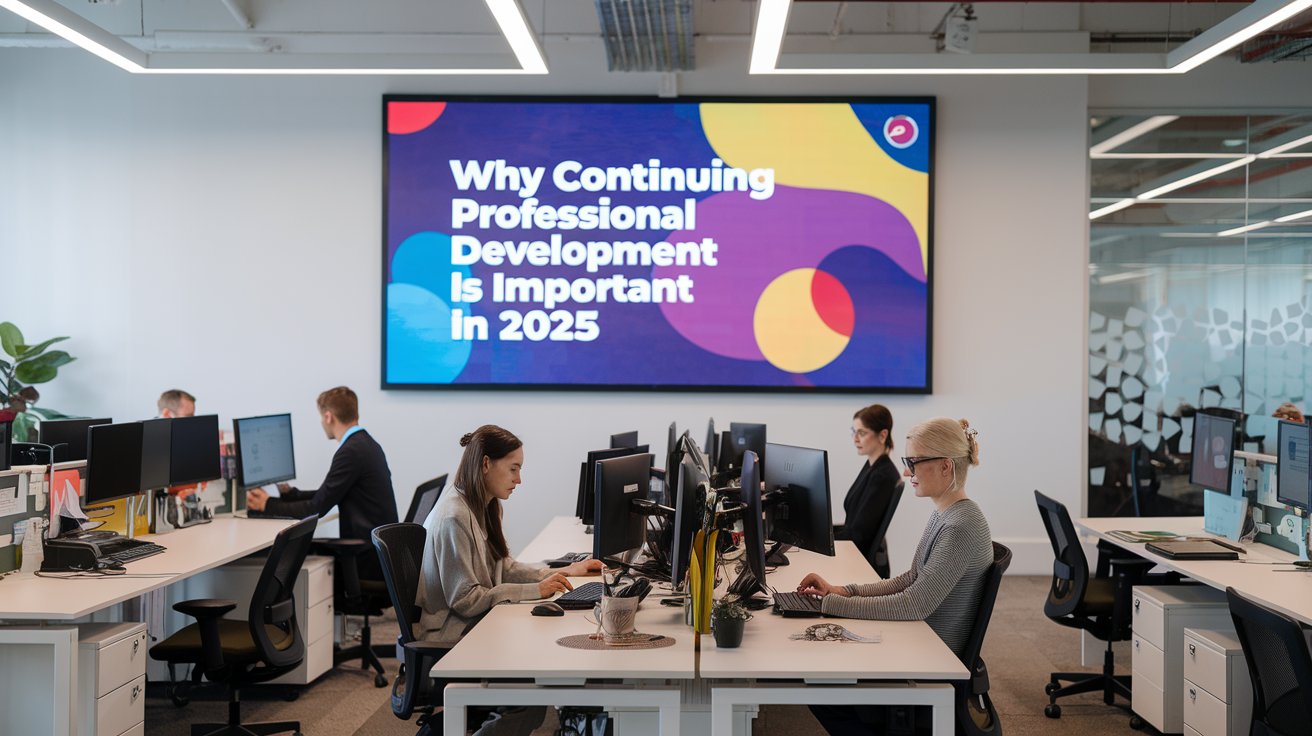
Continuing professional development (CPD) has become essential for career success in today’s rapidly evolving workplace. As technology advances and industries transform at unprecedented rates, professionals must continuously update their skills to remain competitive. Continuing professional development ensures employees stay current with industry trends, enhance their expertise, and maintain their value in an ever-changing job market. This ongoing learning process directly impacts career advancement, salary potential, and long-term job security.
Career Advancement and Professional Growth
Continuing professional development serves as the foundation for career advancement in the modern workplace. According to the Bureau of Labor Statistics, professionals who engage in ongoing learning are 67% more likely to receive promotions within five years compared to those who don’t. This significant advantage stems from the enhanced skills, knowledge, and competencies that CPD provides, making professionals more valuable to their organizations and more attractive to potential employers.
The impact of professional development on career trajectory becomes evident through increased responsibilities, leadership opportunities, and access to higher-level positions. Organizations actively seek employees who demonstrate commitment to growth and learning, as these individuals contribute to innovation and organizational success. Furthermore, professionals who invest in their development often develop stronger networks, gain industry recognition, and position themselves as thought leaders in their respective fields.
Skill Enhancement and Expertise Building
Skill enhancement through continuing education allows professionals to deepen their expertise and develop new competencies that align with industry demands. The World Economic Forum’s 2024 Future of Jobs Report indicates that 50% of all employees will need reskilling by 2025, highlighting the critical importance of continuous learning. This ongoing skill development ensures professionals remain relevant and competitive in their chosen fields while opening doors to new career opportunities.
Leadership Development and Management Opportunities
Professional development programs specifically focused on leadership skills prepare employees for management roles and executive positions. Research from the American Management Association shows that organizations investing in leadership development are 2.3 times more likely to outperform their competitors. These programs develop critical thinking, decision-making abilities, and team management skills that are essential for career progression into senior roles.
Financial Benefits and Salary Increases
The financial returns on continuing professional development are substantial and measurable. According to PayScale’s 2024 Salary Report, professionals with ongoing certifications and training earn an average of 25% more than their peers without continuous development. This wage premium reflects the increased value that skilled professionals bring to their organizations and their ability to contribute to business success through enhanced expertise and productivity.
Investment in professional development also leads to long-term financial security through improved job stability and market demand. Professionals who maintain current skills and certifications are less likely to experience unemployment during economic downturns and more likely to secure higher-paying positions when changing jobs. The Georgetown University Center on Education and the Workforce reports that workers with continuous learning habits experience 40% less wage stagnation over their careers.
Adapting to Industry Changes and Technological Advancement
The rapid pace of technological change makes continuing professional development crucial for staying relevant in any industry. McKinsey Global Institute research indicates that up to 375 million workers worldwide may need to switch occupational categories due to automation and AI advancement. Professionals who proactively engage in learning new technologies, software, and methodologies position themselves advantageously for these industry transformations rather than being displaced by them.
Industry adaptation through continuous learning enables professionals to anticipate market changes and prepare for emerging opportunities. This proactive approach to professional development ensures that workers can transition smoothly into new roles, adopt innovative practices, and contribute to their organizations’ digital transformation initiatives. Companies increasingly value employees who can bridge the gap between traditional practices and modern technological solutions.
Digital Skills and Technology Proficiency
The emphasis on digital literacy has intensified across all industries, making technology-related professional development essential. The National Skills Coalition reports that 82% of middle-skill jobs now require digital skills, up from 57% in 2019. Professionals must continuously update their technical competencies to remain effective in their roles and competitive in the job market.
Industry-Specific Knowledge and Compliance
Many professions require ongoing certification and compliance with evolving regulations and standards. Healthcare professionals, financial advisors, engineers, and legal practitioners must complete mandatory continuing education to maintain their licenses. This regulatory requirement ensures that professionals stay current with best practices, safety standards, and industry developments that directly impact their ability to serve clients and employers effectively.
Enhanced Job Security and Market Value
Job security in today’s economy increasingly depends on an individual’s ability to adapt and grow professionally. The U.S. Department of Labor statistics show that workers who engage in continuous learning are 42% less likely to experience long-term unemployment. This enhanced security stems from the diverse skill sets and adaptability that professional development provides, making these professionals valuable across multiple roles and industries.
Market value increases significantly when professionals demonstrate commitment to continuous improvement. Employers recognize that investing in employees who actively pursue development yields better returns through increased productivity, innovation, and reduced turnover costs. LinkedIn’s 2024 Workplace Learning Report indicates that companies with strong learning cultures are 92% more likely to develop novel products and processes and 52% more productive than their peers.
Personal Satisfaction and Professional Confidence
The psychological benefits of continuing professional development contribute significantly to job satisfaction and overall career fulfillment. Research from Gallup shows that employees who feel they have opportunities to learn and grow are 2.9 times more likely to be engaged at work. This engagement translates to higher productivity, better performance, and increased loyalty to employers who support professional development initiatives.
Professional confidence grows naturally as individuals expand their knowledge base and skill sets through continuous learning. This enhanced confidence enables professionals to take on challenging projects, contribute innovative ideas, and pursue leadership opportunities that might have seemed unattainable previously. The sense of achievement and personal growth that accompanies professional development creates a positive feedback loop that motivates continued learning and career advancement.
Work-Life Balance and Stress Management
Professional development often includes stress management and work-life balance training that improves overall quality of life. The American Psychological Association reports that employees who participate in wellness and professional development programs experience 25% less work-related stress and 30% higher job satisfaction ratings. These skills contribute to long-term career sustainability and personal well-being.
Creative Problem-Solving and Innovation
Exposure to new ideas and methodologies through professional development enhances creative thinking and problem-solving capabilities. Harvard Business Review research demonstrates that employees who engage in diverse learning experiences are 47% more likely to develop innovative solutions to workplace challenges. This creative capacity becomes increasingly valuable as organizations seek competitive advantages through innovation.
Networking and Professional Relationships
Professional networking opportunities are among the most valuable aspects of continuing professional development programs. These connections often lead to career opportunities, mentorship relationships, and collaborative partnerships that significantly impact professional growth. The Harvard Business Review found that 85% of jobs are filled through networking, emphasizing the critical importance of building and maintaining professional relationships through development activities.
Participation in industry conferences, certification programs, and professional associations creates opportunities to interact with thought leaders, potential employers, and peers facing similar challenges. These relationships provide ongoing support, knowledge sharing, and career advancement opportunities that extend far beyond the initial learning experience. The professional community built through continuous development activities becomes a valuable resource throughout one’s career.
Organizational Benefits and Employee Retention
From an organizational perspective, supporting employee development yields significant returns through improved retention rates and enhanced performance. The Association for Talent Development reports that companies offering comprehensive professional development programs experience 218% higher income per employee than those without formalized training. This investment in human capital development creates a competitive advantage while building employee loyalty and engagement.
Employee retention improves dramatically when organizations demonstrate commitment to their workers’ professional growth. LinkedIn data shows that 94% of employees would stay at a company longer if it invested in their learning and development. This retention benefit reduces recruitment costs, preserves institutional knowledge, and maintains team continuity that contributes to organizational success.
Related video about why is continuing professional development important
This video complements the article information with a practical visual demonstration.
Most asked questions about why is continuing professional development important
How much should I invest in continuing professional development annually?
Financial experts recommend investing 3-5% of your annual salary in professional development. For most professionals, this ranges from $2,000 to $5,000 per year. However, many employers offer tuition reimbursement programs that can cover 50-100% of these costs, making the actual out-of-pocket investment much lower while providing substantial career returns.
What types of professional development activities are most valuable?
The most valuable activities include industry-specific certifications, leadership training programs, technology skills courses, and advanced degree programs. According to LinkedIn Learning data, certifications in project management, digital marketing, and data analysis show the highest return on investment, with participants seeing average salary increases of 20-30% within two years.
How can I find time for professional development while working full-time?
Successful professionals typically dedicate 5-10 hours per week to learning activities. This can include online courses during lunch breaks, weekend workshops, evening webinars, or microlearning sessions. Many employers offer flexible schedules or professional development days that allow employees to pursue learning during work hours.
Do professional development activities really impact salary negotiations?
Yes, significantly. PayScale research shows that professionals who regularly update their skills through continuing education earn 15-25% more than those who don’t. Recent certifications, advanced degrees, and specialized training provide concrete evidence of value during salary negotiations and performance reviews.
How do I choose the right professional development opportunities?
Focus on programs that align with your career goals, industry trends, and employer needs. Consult with your supervisor about skill gaps in your role, research job postings for positions you want, and consider industry forecasts. Prioritize certifications from recognized organizations and programs with strong alumni networks.
Can professional development help during economic downturns?
Absolutely. During recessions, employers prioritize retaining their most skilled and versatile employees. Bureau of Labor Statistics data shows that workers with recent professional development activities are 40% less likely to be laid off during economic downturns and recover employment 60% faster if job loss occurs.
| Development Area | Key Benefits | Average ROI |
|---|---|---|
| Professional Certifications | Industry recognition, skill validation | 20-30% salary increase |
| Leadership Training | Management opportunities, team skills | 40% faster promotions |
| Technology Skills | Digital literacy, automation readiness | 25% job security increase |
| Industry Conferences | Networking, trend awareness | 85% of jobs through connections |
| Advanced Degrees | Career advancement, expertise depth | 15-20% lifetime earnings boost |