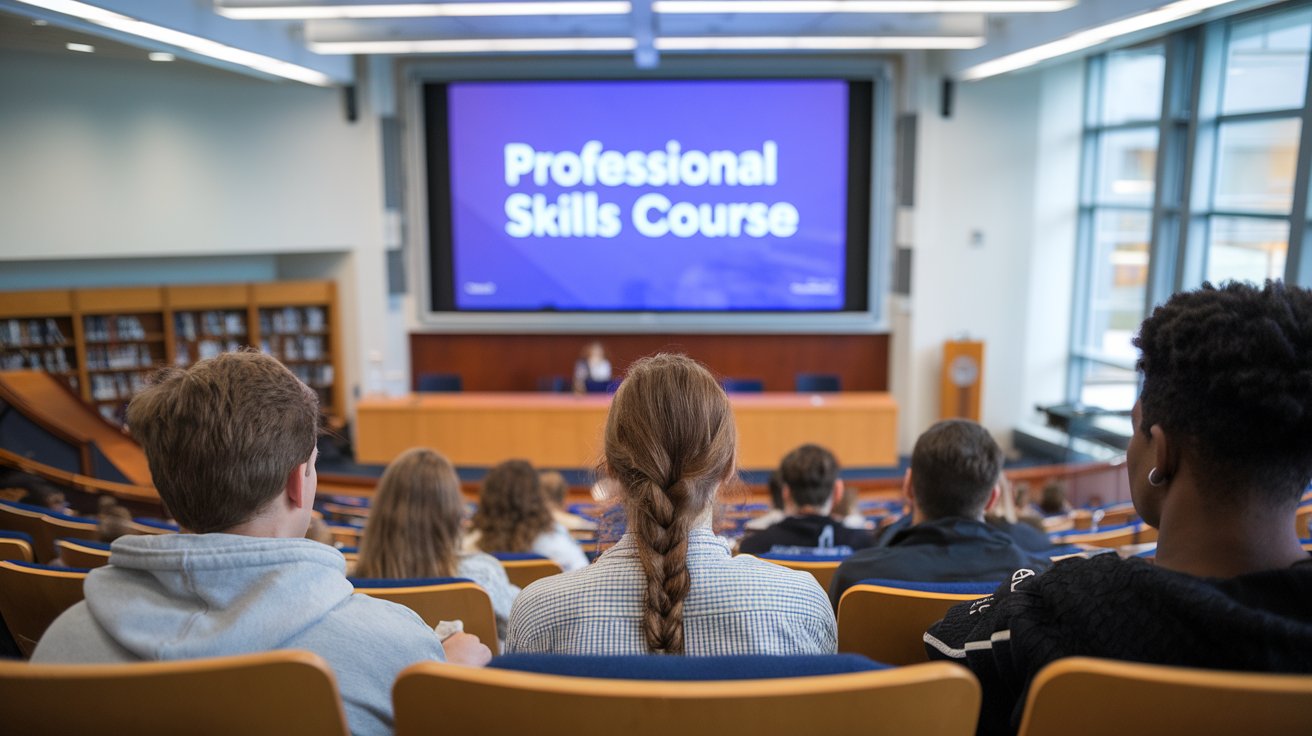
Professional skills are the competencies and abilities that enable individuals to perform effectively in their careers and contribute meaningfully to their organizations. These skills encompass both technical expertise specific to your field and essential soft skills like communication, leadership, and problem-solving that drive workplace success across all industries.
Understanding Professional Skills Definition
Professional skills represent a comprehensive set of abilities, knowledge, and competencies that workers need to succeed in today’s competitive job market. Unlike personal hobbies or casual interests, these skills directly impact your ability to perform job responsibilities, collaborate with colleagues, and advance your career trajectory.
The modern workplace demands a balanced combination of hard skills and soft skills. Hard skills include technical proficiencies, software knowledge, and industry-specific expertise that can be measured and certified. Soft skills encompass interpersonal abilities, emotional intelligence, and communication capabilities that enable effective collaboration and leadership in professional environments.
Types of Professional Skills
Professional skills fall into several distinct categories, each playing a crucial role in career development and workplace effectiveness. Understanding these categories helps professionals identify areas for improvement and create targeted skill development strategies.
Hard Skills and Technical Competencies
Hard skills are measurable, teachable abilities that are specific to particular jobs or industries. These technical skills include proficiency in software applications, programming languages, data analysis tools, and specialized equipment operation. Examples include Microsoft Excel expertise, Python programming, graphic design software mastery, and financial modeling capabilities.
Soft Skills and Interpersonal Abilities
Soft skills represent the interpersonal and communication abilities that enable effective collaboration and leadership. These include active listening, conflict resolution, emotional intelligence, adaptability, and team collaboration. Research from LinkedIn shows that 92% of talent professionals believe soft skills are equally or more important than hard skills for hiring decisions.
Essential Professional Skills for Career Success
Certain professional skills have become universally valuable across industries and job levels. These core competencies form the foundation of career success and are consistently sought after by employers in 2025’s evolving job market.
Communication and Presentation Skills
Effective communication remains the most requested skill by employers, with written and verbal communication abilities being essential for virtually every role. This includes crafting clear emails, delivering compelling presentations, facilitating productive meetings, and adapting communication style to different audiences and cultural contexts.
Leadership and Team Management
Leadership skills extend beyond formal management positions to include influence, motivation, and team coordination abilities. These competencies involve inspiring others, delegating effectively, providing constructive feedback, and fostering collaborative environments that drive organizational success and employee engagement.
Digital and Technology Professional Skills
The digital transformation of workplaces has made technology proficiency essential across all industries. Modern professionals must demonstrate comfort with digital tools, data analysis capabilities, and emerging technologies that enhance productivity and decision-making processes.
Data Analysis and Digital Literacy
Data-driven decision making requires professionals to interpret analytics, create meaningful reports, and extract actionable insights from complex information. Digital literacy skills include proficiency in spreadsheet applications, basic statistical analysis, data visualization tools, and understanding of key performance indicators relevant to your industry.
Artificial Intelligence and Automation Awareness
Understanding AI tools and automation technologies has become crucial for maintaining competitive advantage in 2025. This includes familiarity with AI-powered productivity tools, understanding how automation impacts workflows, and identifying opportunities to leverage technology for enhanced efficiency and innovation.
Problem-Solving and Critical Thinking Skills
Complex business challenges require professionals who can analyze situations systematically, evaluate multiple solutions, and implement effective strategies. Critical thinking abilities enable workers to navigate uncertainty, make informed decisions, and adapt to rapidly changing business environments with confidence and strategic insight.
These skills involve breaking down complex problems into manageable components, researching relevant information, considering multiple perspectives, and evaluating potential outcomes before taking action. Employers particularly value professionals who can think creatively while maintaining logical, evidence-based approaches to problem resolution.
Professional Skills Development Strategies
Continuous skill development has become essential for career advancement and job security in today’s dynamic workplace. Effective professional development requires strategic planning, consistent practice, and leveraging various learning resources to build comprehensive competencies that align with industry demands and career goals.
Formal Education and Certification Programs
Professional certifications and formal education provide structured learning paths for developing specific competencies. Industry-recognized certification programs offer credible validation of skills, while degree programs provide comprehensive knowledge foundations. Popular options include project management certifications, digital marketing credentials, and specialized technical training programs.
On-the-Job Learning and Mentorship
Workplace learning opportunities provide practical application of professional skills in real business contexts. Mentorship relationships offer personalized guidance, while stretch assignments and cross-functional projects enable skill development through hands-on experience and direct feedback from experienced colleagues and supervisors.
Industry-Specific Professional Skills Examples
Different industries prioritize specific professional skills that align with their unique challenges, technologies, and market demands. Understanding industry-specific competencies helps professionals target their skill development efforts and demonstrate relevant expertise to potential employers in their chosen field.
Healthcare professionals need clinical skills, patient communication, and regulatory compliance knowledge. Technology workers require programming languages, system architecture understanding, and cybersecurity awareness. Marketing professionals must master digital analytics, content creation, and customer relationship management while maintaining creativity and strategic thinking abilities.
Related video about what are professional skills
This video complements the article information with a practical visual demonstration.
Most asked questions about what are professional skills
What is the difference between hard skills and soft skills?
Hard skills are technical, measurable abilities specific to jobs or industries, such as programming languages, software proficiency, or equipment operation. Soft skills are interpersonal abilities like communication, leadership, and emotional intelligence that enable effective collaboration and relationship building across all professional contexts.
How can I identify which professional skills I need to develop?
Analyze job descriptions in your target roles, conduct skills gap assessments comparing your current abilities to industry requirements, seek feedback from supervisors and colleagues, and research emerging trends in your field. Professional development assessments and career counseling can also provide valuable insights.
What are the most in-demand professional skills for 2025?
The most sought-after skills include digital literacy, data analysis, artificial intelligence familiarity, emotional intelligence, adaptability, critical thinking, communication, and leadership. Remote work collaboration, cybersecurity awareness, and sustainable business practices are also increasingly valuable across industries.
How long does it take to develop new professional skills?
Skill development timelines vary significantly based on complexity and learning methods. Basic software proficiency might take 2-4 weeks of consistent practice, while advanced technical skills or leadership competencies can require 6-12 months or longer. Continuous practice and real-world application accelerate the learning process.
Can professional skills be self-taught or do I need formal training?
Many professional skills can be self-taught using online resources, books, and practice opportunities. However, formal training provides structured learning, expert guidance, and credential validation that may be required for certain roles. A combination of self-directed learning and formal education often yields the best results.
How do I demonstrate professional skills during job interviews?
Use specific examples following the STAR method (Situation, Task, Action, Result) to illustrate how you’ve applied skills in real situations. Prepare portfolio pieces, case studies, or project examples that showcase your abilities. Be ready to discuss challenges you’ve overcome and measurable outcomes you’ve achieved.
| Skill Category | Key Components | Career Benefits |
|---|---|---|
| Technical Skills | Software proficiency, industry expertise, certifications | Job qualification, higher salary potential |
| Communication | Written, verbal, presentation, active listening | Leadership opportunities, team effectiveness |
| Problem-Solving | Critical thinking, analysis, decision-making | Innovation leadership, strategic roles |
| Digital Literacy | Data analysis, AI awareness, automation | Future-ready career, competitive advantage |