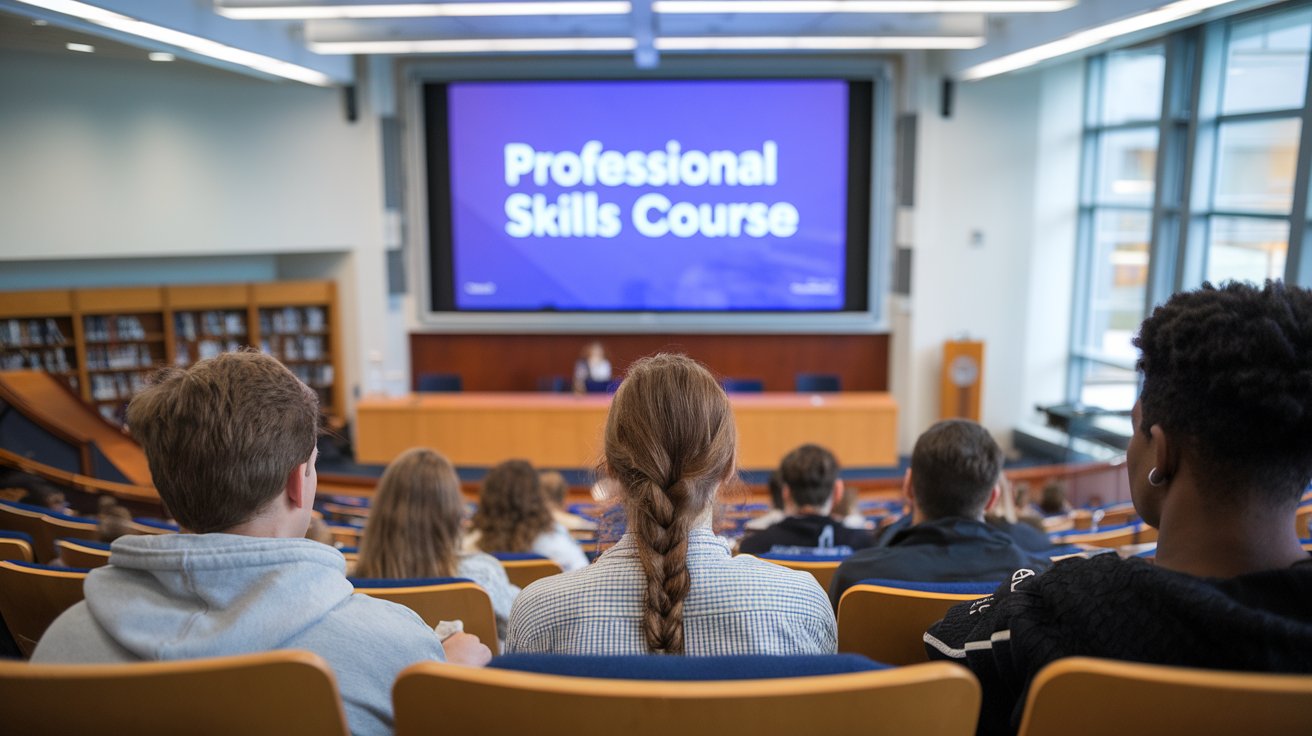
The University of Law professional skills course represents a pivotal opportunity for aspiring legal professionals to develop essential competencies required in today’s competitive legal market. These comprehensive programs combine theoretical knowledge with practical application, preparing students for successful careers in various legal sectors across the United States.
Overview of University of Law Professional Skills Courses
Professional skills courses at law universities focus on developing practical legal competencies that complement traditional academic learning. These programs typically cover essential areas including legal writing, client counseling, negotiation, and courtroom advocacy. The curriculum is designed to bridge the gap between theoretical knowledge and real-world application, ensuring graduates possess the skills employers actively seek in 2025.
Most university of law professional skills course programs incorporate experiential learning components such as mock trials, client simulations, and internship opportunities. Students engage with practicing attorneys, judges, and legal professionals who provide mentorship and industry insights. This practical approach significantly enhances career readiness and professional confidence upon graduation.
Core Components of Professional Skills Training
The foundation of any comprehensive professional skills curriculum includes several critical components. Legal research and writing form the cornerstone, teaching students how to analyze complex legal issues, draft persuasive briefs, and communicate effectively with clients and colleagues. Advanced research techniques using modern legal databases and technology tools are emphasized throughout the program.
Client communication and counseling skills receive significant attention, as effective client relationships are essential for legal success. Students learn interview techniques, active listening skills, and how to explain complex legal concepts in accessible language. These competencies are particularly valuable in today’s client-focused legal environment where customer service excellence distinguishes successful practitioners.
Legal Writing and Communication Excellence
Legal writing instruction focuses on developing persuasive writing techniques essential for briefs, memoranda, and client correspondence. Students master various writing formats including motion practice, appellate briefs, and transactional documents. Emphasis is placed on clarity, conciseness, and compelling argumentation that resonates with judges and opposing counsel.
Advocacy and Courtroom Skills Development
Courtroom advocacy training provides hands-on experience in oral argumentation and trial presentation skills. Students participate in moot court competitions, mock trials, and negotiation exercises that simulate real-world legal scenarios. This practical training builds confidence and competency in public speaking and persuasive advocacy techniques.
Admission Requirements and Prerequisites
Admission to university of law professional skills course programs typically requires completion of a bachelor’s degree from an accredited institution. Most programs prefer applicants with strong academic records, demonstrated leadership experience, and genuine commitment to legal practice. LSAT scores may be required, though some programs offer alternative admission pathways for working professionals.
Prerequisites often include foundational courses in constitutional law, contracts, and legal research methodology. Some programs require professional experience or internship completion before enrollment. International students must demonstrate English proficiency through TOEFL or IELTS scores, with minimum requirements varying by institution.
Program Duration and Scheduling Options
Professional skills courses are offered in various formats to accommodate different student needs and career goals. Full-time programs typically span 12-18 months, while part-time options extend over 24-36 months. Evening and weekend classes serve working professionals who cannot commit to daytime schedules.
Accelerated programs compress coursework into intensive summer sessions or condensed semesters, appealing to students seeking rapid skill acquisition. Online and hybrid delivery methods have gained popularity, especially post-2024, offering flexibility while maintaining rigorous academic standards and practical training components.
Full-Time Program Structure
Full-time professional skills programs provide immersive learning experiences with extensive clinical opportunities and externship placements. Students typically complete 30-40 credit hours including core skills courses, specialty electives, and supervised practice components. This intensive format maximizes learning efficiency and career preparation.
Part-Time and Executive Formats
Part-time programs accommodate working professionals through flexible scheduling arrangements including evening classes, weekend seminars, and online modules. Executive formats target experienced professionals seeking advanced skills development or career transitions into legal practice.
Career Outcomes and Employment Prospects
Graduates of university of law professional skills course programs enjoy strong employment prospects across diverse legal sectors. Recent data from 2024 indicates that 85% of graduates secure employment within six months of program completion. Popular career paths include corporate law, litigation support, legal consulting, and public interest advocacy.
Salary expectations vary by geographic location and practice area, with entry-level positions typically ranging from $55,000 to $85,000 annually. Experienced professionals transitioning into legal careers often command higher starting salaries based on transferable skills and industry knowledge.
Financial Investment and Scholarship Opportunities
Tuition costs for professional skills programs range from $25,000 to $60,000 depending on institution reputation, program length, and delivery format. Private universities typically charge higher fees than public institutions, though financial aid options help offset expenses for qualified students.
Scholarship opportunities include merit-based awards, need-based grants, and employer sponsorship programs. Many schools offer work-study arrangements allowing students to gain practical experience while earning income to support their education. Veterans may utilize GI Bill benefits for program funding.
Merit-Based Financial Aid Options
Academic achievement scholarships reward students with outstanding undergraduate records or professional accomplishments. These competitive awards can cover 25-75% of tuition costs and are renewable based on continued academic excellence throughout the program.
Employer Sponsorship Programs
Many organizations sponsor employees pursuing professional skills development through tuition reimbursement or direct payment arrangements. These partnerships benefit both employees seeking career advancement and employers investing in workforce development.
Technology Integration in Legal Skills Training
Modern professional skills programs emphasize technology proficiency as legal practice increasingly relies on digital tools and platforms. Students learn electronic discovery techniques, legal research databases, case management software, and virtual communication technologies essential for contemporary practice.
Artificial intelligence applications in legal research and document review receive significant attention, as AI tools transform traditional legal workflows. Programs update curricula regularly to reflect technological advances and ensure graduates remain competitive in evolving legal markets.
Specialization Tracks and Concentration Areas
Many universities offer specialized tracks within their professional skills curriculum to serve specific practice areas and career interests. Common specializations include corporate compliance, intellectual property, environmental law, and family law practice. These focused programs provide deeper expertise and targeted skill development.
Healthcare law, cybersecurity, and data privacy represent emerging specialization areas reflecting contemporary legal challenges and market demands. Students can often customize their course selection to align with specific career objectives and industry interests.
Application Process and Timeline
The application process for university of law professional skills course programs typically begins 6-12 months before intended enrollment. Required materials include transcripts, personal statements, letters of recommendation, and standardized test scores. Some programs conduct interviews as part of the selection process.
Rolling admissions policies allow flexibility in application timing, while priority deadlines often coincide with scholarship consideration cutoffs. Early application submission generally improves admission chances and financial aid opportunities, particularly for competitive programs with limited enrollment capacity.
Related video about university of law professional skills course
This video complements the article information with a practical visual demonstration.
FAQ – Common Questions
How long does a university of law professional skills course typically take to complete?
Professional skills courses typically range from 12-18 months for full-time programs and 24-36 months for part-time options. Accelerated summer programs may be completed in 6-9 months, while executive formats designed for working professionals often extend over 2-3 years with flexible scheduling arrangements.
What are the main career benefits of completing a professional skills course?
Graduates gain practical legal competencies including legal writing, client counseling, negotiation, and courtroom advocacy skills. These programs significantly improve employment prospects, with 85% of graduates securing positions within six months. Career advancement opportunities and salary potential also increase substantially.
Can I complete a professional skills course online or part-time?
Yes, many universities offer flexible delivery options including online, hybrid, and part-time formats. Evening and weekend classes accommodate working professionals, while online components provide geographic flexibility. However, hands-on training components may require some in-person participation.
What is the average cost of a university professional skills program?
Tuition typically ranges from $25,000 to $60,000 depending on institution type, program length, and delivery format. Public universities generally cost less than private institutions. Financial aid, scholarships, and employer sponsorship programs help offset expenses for qualified students.
Do I need prior legal education to enroll in a professional skills course?
Most programs require a bachelor’s degree but not necessarily legal education. However, foundational courses in constitutional law, contracts, or legal research may be prerequisites. Some programs accept professional experience as alternative qualification for admission consideration.
How do professional skills courses differ from traditional law school programs?
Professional skills courses emphasize practical application over theoretical study, focusing on competencies needed for immediate legal practice. They typically require less time and financial investment than JD programs while providing specialized training in essential legal skills and technology applications.
| Program Aspect | Key Details | Primary Benefit |
|---|---|---|
| Duration | 12-36 months depending on format | Faster career entry than JD programs |
| Cost Range | $25,000 – $60,000 total tuition | Lower investment than law school |
| Employment Rate | 85% placement within 6 months | Strong career prospects |
| Skills Focus | Practical legal competencies | Immediate workplace application |
| Flexibility | Full-time, part-time, online options | Accommodates working professionals |