
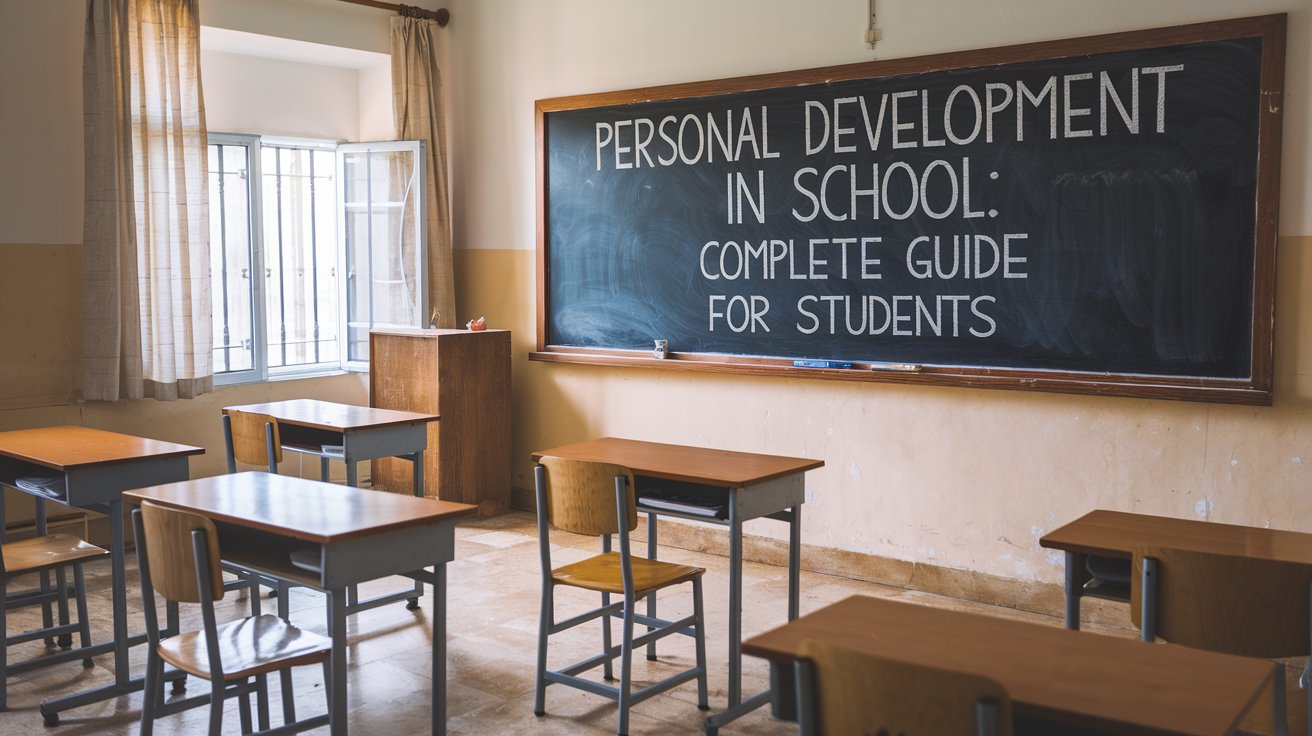
Personal development in school refers to the intentional process of improving students’ academic abilities, emotional intelligence, social skills, and character traits within educational settings. This comprehensive approach focuses on nurturing well-rounded individuals who excel both academically and personally, preparing them for future success in higher education, careers, and life relationships.
Core Components of Personal Development in Schools
Academic skill development forms the foundation of personal growth in educational environments, encompassing critical thinking, problem-solving abilities, and effective study techniques. Students learn to analyze information, synthesize knowledge across subjects, and develop research skills that serve them throughout their academic journey. These competencies directly impact their ability to excel in standardized tests, college applications, and future professional endeavors.
Social-emotional learning represents another crucial component, helping students understand and manage emotions, set goals, show empathy, and maintain positive relationships. Schools implement programs that teach conflict resolution, teamwork skills, and leadership qualities, which are essential for navigating complex social dynamics and building meaningful connections with peers and adults.
Character Building and Moral Development
Character education in schools focuses on developing ethical decision-making skills and moral reasoning abilities. Students participate in service learning projects, peer mediation programs, and ethical discussions that help them understand consequences of their actions and develop a strong moral compass for future challenges.
Life Skills and Practical Competencies
Schools integrate essential life skills training including time management, financial literacy, communication abilities, and digital citizenship. These practical competencies prepare students for independent living and responsible participation in society, covering areas from basic budgeting to effective public speaking and online safety practices.
Benefits of Personal Development Programs in Education
Improved academic performance consistently results from comprehensive personal development initiatives, with students showing increased motivation, better study habits, and enhanced learning outcomes across all subject areas. Research from the National Education Association indicates that schools with robust personal development programs see 15-20% higher standardized test scores and improved graduation rates compared to institutions focusing solely on traditional academics.
Students also demonstrate enhanced emotional resilience and better stress management capabilities when exposed to personal development curricula. These skills prove invaluable during challenging academic periods, college transitions, and future career obstacles, creating a foundation for lifelong mental health and well-being.
Implementation Strategies for Schools
Curriculum integration represents the most effective approach for implementing personal development in schools, weaving character education and life skills into existing subjects rather than treating them as separate courses. English classes incorporate emotional intelligence through literature analysis, mathematics courses teach problem-solving strategies, and science classes emphasize critical thinking and ethical considerations in research.
Schools also benefit from establishing mentorship programs that pair students with teachers, older peers, or community volunteers who provide guidance on personal growth goals. These relationships offer individualized support and accountability, helping students develop self-awareness and navigate challenges with trusted adult guidance.
Extracurricular Activities and Leadership Opportunities
Student government, debate teams, and volunteer clubs provide hands-on leadership experience where students practice decision-making, public speaking, and project management skills. These activities complement classroom learning by offering real-world application of personal development principles in collaborative settings.
Assessment and Progress Monitoring
Effective personal development programs include regular assessment methods such as self-reflection journals, peer evaluations, and portfolio-based documentation of growth. Schools use rubrics that measure character traits, social skills, and personal goal achievement alongside traditional academic metrics to provide comprehensive student evaluation.
Age-Appropriate Personal Development Approaches
Elementary school programs focus on fundamental social skills, basic emotional recognition, and simple problem-solving strategies through interactive games, storytelling, and collaborative projects. Young students learn to identify feelings, practice sharing and cooperation, and develop basic self-control techniques that form the foundation for more complex personal development work in later years.
Middle and high school initiatives emphasize identity formation and future planning, helping adolescents explore career interests, develop independence skills, and navigate complex social relationships. These programs address issues specific to teenage development including peer pressure, academic stress, and college preparation while building confidence and decision-making abilities.
Technology Integration in Personal Development
Digital portfolios and apps enable students to track personal growth goals, reflect on experiences, and showcase achievements in organized, accessible formats. Schools utilize platforms that allow students to document community service hours, academic improvements, and skill development milestones while learning valuable digital organization and presentation skills.
Online collaboration tools and virtual mentoring programs expand access to personal development resources, connecting students with experts and peers beyond their immediate school community. These technologies provide additional support systems and learning opportunities while teaching responsible digital citizenship and online communication skills.
Challenges and Solutions in School-Based Personal Development
Time constraints and curriculum demands present significant obstacles for schools attempting to implement comprehensive personal development programs. Administrators must balance standardized testing requirements with holistic student development, often requiring creative scheduling solutions and cross-curricular integration to maximize learning time effectively without compromising academic standards.
Teacher training and professional development needs also challenge successful program implementation, as educators require specific skills to facilitate character education and social-emotional learning. Schools address this through ongoing workshops, collaborative planning time, and partnerships with organizations specializing in personal development education methodologies.
Parent and Community Involvement
Successful personal development programs require active parent engagement and community partnerships to reinforce school-based learning at home and in local settings. Schools organize family workshops, volunteer opportunities, and communication strategies that align home and school values while providing consistent support for student growth.
Resource Allocation and Funding
Schools must strategically allocate limited budgets and resources to support personal development initiatives while maintaining academic programs. Creative solutions include grant applications, community partnerships, and integration with existing programs to maximize impact without requiring substantial additional funding or staffing.
Measuring Success in Personal Development Programs
Quantitative assessment tools help schools evaluate the effectiveness of personal development initiatives through surveys, behavioral incident reports, and academic performance data. Schools track metrics such as disciplinary referrals, attendance rates, graduation statistics, and college enrollment numbers to demonstrate program impact and identify areas for improvement.
Qualitative measures including student testimonials and portfolio reflections provide deeper insights into personal growth and program effectiveness. These narrative assessments capture individual transformation stories and highlight specific skills or character traits that students have developed through their educational experiences, offering valuable feedback for program refinement.
Related video about what is personal development in school
This video complements the article information with a practical visual demonstration.
Key Questions and Answers
What age should personal development start in schools?
Personal development should begin in elementary school around ages 5-6 with age-appropriate social skills, emotional recognition, and basic character education. Early intervention creates a strong foundation for more complex personal growth work in middle and high school years, maximizing long-term benefits for student development.
How does personal development affect academic performance?
Students in schools with comprehensive personal development programs typically show 15-20% higher standardized test scores and improved graduation rates. Personal development enhances study skills, motivation, stress management, and goal-setting abilities, which directly translate to better academic outcomes and classroom engagement.
Can personal development replace traditional discipline methods?
Personal development programs complement rather than replace traditional discipline, focusing on teaching self-regulation and problem-solving skills. Schools using these approaches report 30-40% fewer disciplinary incidents as students develop better emotional control and conflict resolution abilities through proactive character education.
How do teachers assess personal development progress?
Teachers use multiple assessment methods including self-reflection journals, peer evaluations, behavior rubrics, and portfolio documentation. Progress is measured through observable behavior changes, goal achievement tracking, and qualitative feedback rather than traditional testing, providing comprehensive evaluation of character growth and social skill development.
What role do parents play in school personal development?
Parents serve as crucial partners by reinforcing school-based learning at home, participating in family workshops, and maintaining consistent expectations. Effective programs include regular parent communication, volunteer opportunities, and strategies for extending personal development lessons into daily family life and community interactions.
| Key Component | Implementation Method | Student Benefit |
|---|---|---|
| Academic Skills | Critical thinking integration across subjects | 15-20% higher test scores |
| Social-Emotional Learning | Structured programs and peer activities | Better relationship skills and emotional resilience |
| Character Education | Service learning and ethical discussions | Strong moral compass and decision-making skills |
| Life Skills Training | Practical workshops and real-world applications | Independence and career readiness |